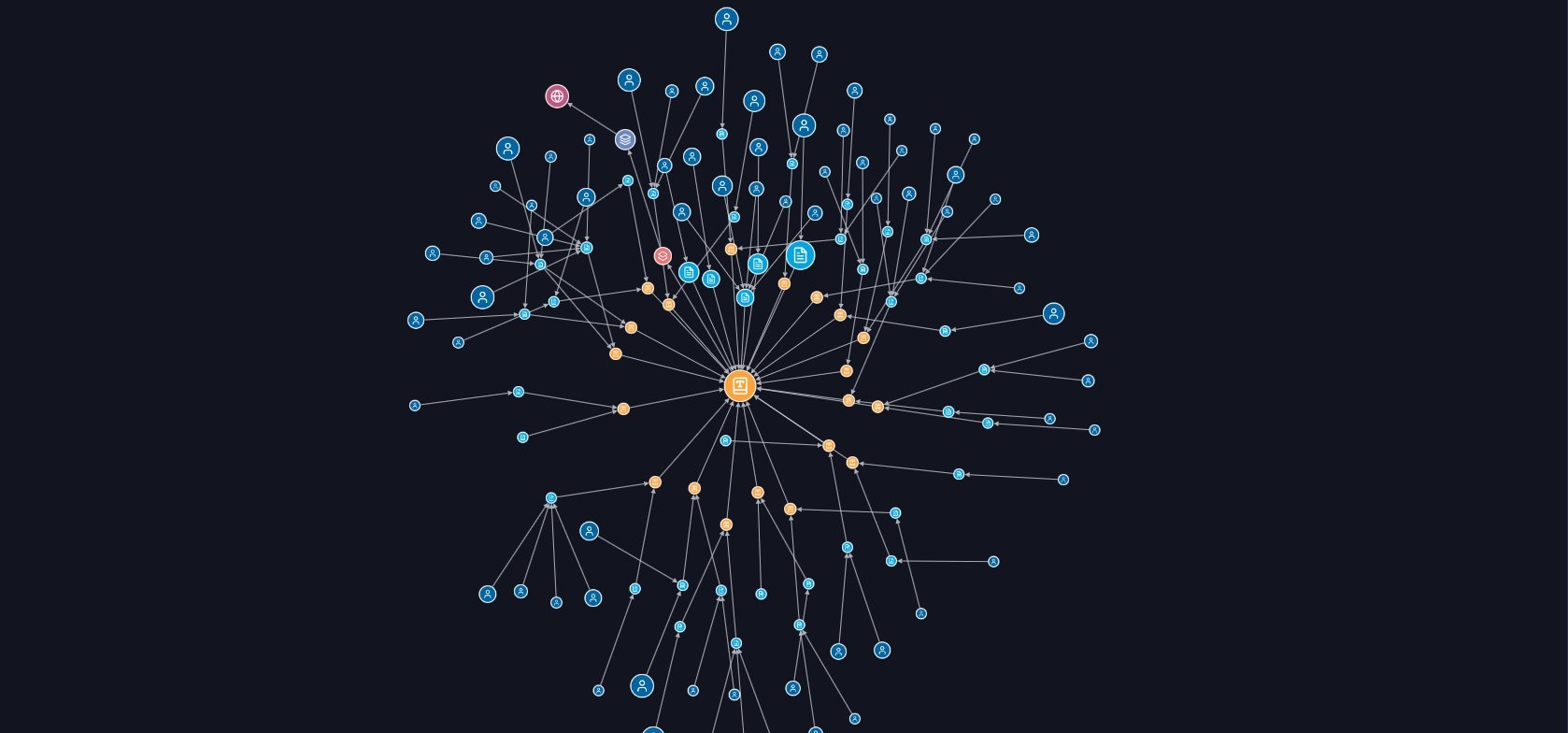
Coverage
Integrity is built on OpenAlex, the world's most comprehensive open scholarly database. It currently indexes 477 million + works — journal articles, books, conference papers, preprints, and more — along with their authors, institutions, funders, sources, and topics. Coverage spans all disciplines and goes back centuries, with the strongest density in the last 50 years of peer-reviewed research.
Installation
There is nothing to install. Integrity runs entirely in your browser or Claude app through a conversational interface powered by Claude. You need a Claude Pro account and access credentials from us — that's it. No software, no plugins, no IT department.
Which LLM does Integrity use?
Integrity uses Claude by Anthropic — specifically Claude Sonnet, which offers the best balance of reasoning ability and speed for complex scholarly queries. Claude reads the Integrity skill set, queries the database on your behalf, and assembles results into answers, graphs, and reports. An embedded open-source model tier is on the roadmap for organisations that require fully local, air-gapped deployment.
Does Integrity run on a ...?
Yes to mobile. Yes to tablet. Yes to a mixture of devices, assuming they are all using the same Claude Pro account.
Why should I trust the results?
Integrity only answers from data — it does not generate or hallucinate scholarly content. Every finding comes from a real query against the Integrity Research Database, which is itself sourced from OpenAlex. Graphs show you the actual relationships in the data. Reports cite real works with real DOIs. If something isn't in the database, Integrity says so rather than inventing an answer. The source queries used to build every graph are stored alongside it as a permanent audit trail.
How does Integrity compare to Dimensions, Web of Science, or Scopus?
The established platforms are powerful but expensive, complex, and built around rows of data rather than relationships. Integrity approaches the same underlying scholarly record differently — as a graph, explored through natural language, with results you can visualise, share, and build on. It is also significantly more affordable, built on open data, and designed to be used by researchers directly rather than mediated through institutional licences and specialist training. We are working to make research equitable to the people doing it.
Can I try it?
Yes — explore the live database via the play page, or get in touch to discuss access for your team or institution.